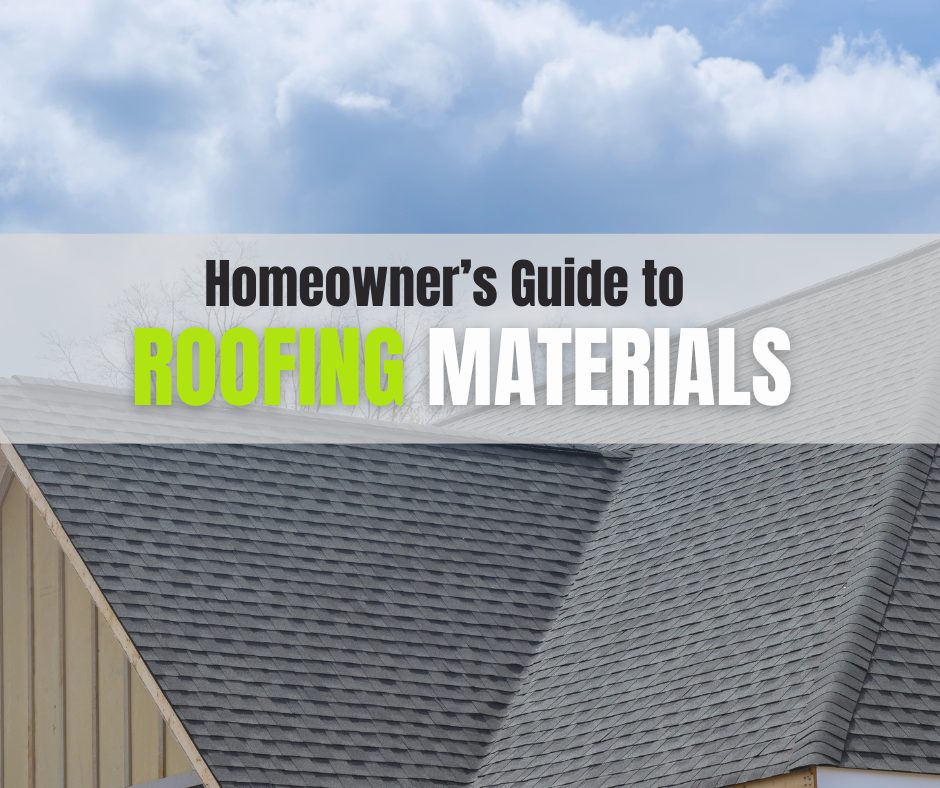
Your roof is one of the most important parts of your home. It protects your family from the elements, improves energy efficiency, and plays a major role in your home’s curb appeal and value.
If you're planning a roof replacement, one of the first questions homeowners ask is:
“What are the best roofing materials for my home?”
At Gulf South Roofing, we help homeowners across the Mississippi Gulf Coast including Gulfport, Biloxi, Ocean Springs, Long Beach, Bay St. Louis, and Pass Christian choose roofing systems that perform well in our coastal climate.
In this guide, we’ll walk through the most common types of roofing materials, the benefits of each system, and how to choose the best option for your home.
Several roofing systems are available today, each offering different advantages in durability, lifespan, energy efficiency, and appearance.
The most common roofing materials we install include:
- Shingle Roofing: Architectural Shingles and Impact-Resistant Shingles (High Impact Roofing)
- Flat Roofs for Homes: Modified Bitumen Roofing, TPO Roofing, and PVC Roofing
- Fortified Roofing
Understanding the strengths of each roofing material can help you make a confident decision during your roof replacement.
Architectural shingles are the most widely used roofing material in the United States. They are known for their durability, affordability, and attractive dimensional appearance.
Unlike traditional three-tab shingles, architectural shingles are thicker and provide better wind resistance and longer lifespan.
Benefits of Architectural Shingles
- Affordable roof replacement option
- Durable layered design
- Wind resistance up to 130 mph
- Attractive dimensional appearance
- Wide variety of colors and styles
Best For
Architectural shingles are ideal for homeowners looking for a cost-effective roofing material that still provides strong durability and curb appeal.
Average lifespan: 20–30 years
Impact-resistant shingles, often called Class 4 shingles, are specially designed to withstand hail, wind-driven debris, and severe storms. These shingles are built with reinforced materials that help prevent cracking, tearing, and damage during extreme weather events.
For homeowners along the Mississippi Gulf Coast, impact-resistant shingles provide an additional layer of protection against the severe weather conditions common in our region.
What Are Class 4 Impact-Resistant Shingles?
Impact-resistant shingles receive a Class 4 rating, which is the highest rating given under the UL 2218 impact resistance test. During testing, steel balls are dropped from specific heights to simulate hail impacts. Shingles that withstand the test without cracking receive the Class 4 designation.
This durability makes them an excellent roofing option for homes located in storm-prone areas.
Benefits of Impact-Resistant Shingles
- Stronger protection against hail and debris
- Improved wind resistance during severe storms
- Reduced risk of roof damage
- Potential insurance discounts in some areas
- Longer-lasting roofing system
Many impact-resistant shingles also feature enhanced wind ratings, with some systems rated for winds up to 130–150 mph when installed properly.
Impact-resistant shingles are ideal for homeowners who want the affordability of asphalt shingles with enhanced storm protection.
They are especially beneficial for homes along the Gulf Coast where hurricanes, severe thunderstorms, and wind-driven debris can cause roof damage.
Pro Tip for Homeowners
When considering a roof replacement, upgrading to impact-resistant shingles can provide stronger protection while still maintaining the traditional appearance of architectural shingles.
In some cases, insurance providers may even offer premium discounts for installing Class 4 roofing systems.
Metal Roofing Systems for Homes
Metal roofing has become one of the most durable and long-lasting roofing materials available for homeowners. Metal roofs are especially popular along the Mississippi Gulf Coast, where roofs must withstand strong winds, heavy rain, intense sun exposure, and hurricane conditions.
Metal roofing systems are available in several styles, each offering different benefits depending on the home and budget.
At Gulf South Roofing, we install several types of residential metal roofing systems, including standing seam, snap lock, and screw-down metal roofs.
Standing seam metal roofing is considered a premium roofing system known for its durability, clean appearance, and concealed fastener design.
Standing seam panels feature raised vertical seams that lock together while hiding the fasteners beneath the panel system. This design reduces the risk of leaks and allows the metal panels to expand and contract naturally as temperatures change.
Benefits of Standing Seam Metal Roofing
- Concealed fasteners reduce leak risks
- Exceptional durability and longevity
- Excellent wind resistance for coastal areas
- Modern, high-end architectural appearance
- Long lifespan compared to traditional roofing materials
Average lifespan: 40–70 years
Standing seam metal roofing is ideal for homeowners looking for a long-term investment roof that provides maximum protection and curb appeal.
Screw-Down Metal Roofing (Exposed Fastener)
Screw-down metal roofing, also called exposed fastener metal roofing, is one of the most economical metal roofing systems available.
In this system, fasteners are installed through the face of the metal panel to secure the roof to the structure. While this style is more affordable, it still provides strong protection when installed correctly.
Benefits of Screw-Down Metal Roofing
- Most affordable metal roofing option
- Durable and weather resistant
- Faster installation
- Strong performance in high winds
- Available in many colors and profiles
Because fasteners are exposed, periodic inspections are recommended to ensure screws remain properly sealed.
Average lifespan: 25–40 years
Metal shingle roofing is a unique option that combines the appearance of traditional shingles with the strength and durability of metal roofing. These systems are often made from steel or aluminum and can be designed to mimic the look of architectural shingles, slate, or even wood shake.
This makes metal shingles a great choice for homeowners who want the benefits of metal roofing without the modern look of standing seam panels.
Benefits of Metal Shingle Roofing
- Durable metal construction with enhanced longevity
- Designed to mimic traditional roofing styles
- Strong resistance to wind, rain, and impact
- Lightweight compared to many traditional materials
- Energy-efficient reflective properties
Homeowners who want a more traditional appearance while still upgrading to a long-lasting metal roofing system.
Metal shingles are especially popular in neighborhoods where maintaining a classic residential look is important.
Average lifespan: 30–50 years
Flat Roofing Systems for Homes
Some homes have low-slope or flat roof sections where traditional shingles cannot be installed. These areas require specialized roofing systems designed to prevent leaks and properly handle standing water.
At Gulf South Roofing, we install several high-performance flat roofing systems including Modified Bitumen, TPO, and PVC roofing membranes.
Each system offers unique advantages depending on the structure of the roof and the homeowner’s priorities.
Modified bitumen roofing is a multi-layer asphalt-based roofing system designed for flat and low-slope roofs. It is one of the most widely used flat roofing systems for residential structures such as porches, additions, and garages.
This system combines traditional asphalt roofing with modern polymer modifiers that improve flexibility and durability.
Benefits of Modified Bitumen Roofing
- Excellent waterproofing performance
- Flexible material that expands and contracts with temperature changes
- Strong resistance to punctures and damage
- Multi-layer protection system
- Reliable performance in various weather conditions
Homes with porches, additions, or low-slope roof sections that require a durable and affordable waterproof roofing system.
Average lifespan: 20–25 years
TPO Flat Roofing
TPO (Thermoplastic Polyolefin) roofing is a single-ply membrane roofing system that has become increasingly popular for flat roofs because of its energy efficiency and durability.
The bright white surface reflects sunlight, which can help reduce cooling costs during hot Gulf Coast summers.
Benefits of TPO Roofing
- Energy-efficient reflective roofing surface
- Heat-welded seams create strong waterproof bonds
- Resistant to mold, dirt, and algae growth
- Lightweight roofing system
- Performs well in hot climates
Homeowners who want an energy-efficient flat roofing system with strong waterproof protection.
PVC Flat Roofing
PVC roofing is another single-ply membrane roofing system known for its durability and superior resistance to moisture.
PVC membranes are heat-welded at the seams, creating a strong and watertight barrier that performs exceptionally well on flat roofs.
Benefits of PVC Roofing
- Exceptional waterproofing protection
- Highly durable roofing membrane
- Resistant to standing water
- Strong heat-welded seams
- Long lifespan for flat roofing systems
Homes with flat roof sections that require maximum durability and long-term leak protection.
Average lifespan: 25–30+ years
How to Choose the Best Roofing Material for Your Home
Choosing the best roofing material depends on several factors.
Roof Design
Steep roofs typically work best with:
Flat or low-slope roofs require:
- TPO roofing
Budget
Roofing material costs can vary significantly. Architectural shingles typically provide the most affordable roof replacement option, while metal roofing offers the longest lifespan and durability.
Weather Conditions
Homes along the Mississippi Gulf Coast must withstand:
- High humidity
- Heavy rain
- Strong winds
- Hurricane conditions
Choosing durable roofing materials designed for coastal climates is essential.
Work With a Trusted Local Roofing Contractor
Even the best roofing materials can fail if installed incorrectly.
Working with a licensed roofing contractor experienced with Gulf Coast weather conditions ensures your roof is installed correctly and built to last.
At Gulf South Roofing, we specialize in helping homeowners choose the right roofing materials for their homes and providing professional installation backed by years of experience.
Need Help Choosing the Right Roof?
If you’re considering a roof replacement on the Mississippi Gulf Coast, our team can help you evaluate the best roofing materials for your home.
Gulf South Roofing proudly serves homeowners in:
- Diamondhead
- Surrounding Mississippi Gulf Coast communities
Contact our team today to schedule a professional roof inspection and estimate.
If you're considering a roof replacement, learn more about our residential services on our Roof Replacement page.