Your roof is one of the most important parts of your home, protecting your family and belongings from the elements year-round. Over time, every roof experiences aging and normal wear. However, severe weather can also cause sudden damage that may require immediate attention.
Understanding the difference between storm damage and normal wear and tear can help homeowners make informed decisions about repairs, maintenance, and potential insurance claims.
What Is Normal Roof Wear and Tear?
Wear and tear is the gradual deterioration of a roof caused by age, sunlight, temperature changes, and regular exposure to the elements.
Common signs of wear and tear include:
- Uniform granule loss across the roof
- Aging or brittle shingles
- Minor cracking from long-term exposure
- Faded roofing materials
- Slight curling of older shingles
- General aging consistent throughout the roof
Unlike storm damage, wear and tear develops slowly over many years.
What Is Storm Damage?
Storm damage occurs when a weather event causes sudden harm to your roofing system. On the Mississippi Gulf Coast, roofs are regularly exposed to high winds, heavy rain, hail, tropical storms, and hurricanes.
Common signs of storm damage include:
- Missing or lifted shingles
- Creased or torn shingles from wind
- Hail impact marks
- Damaged flashing
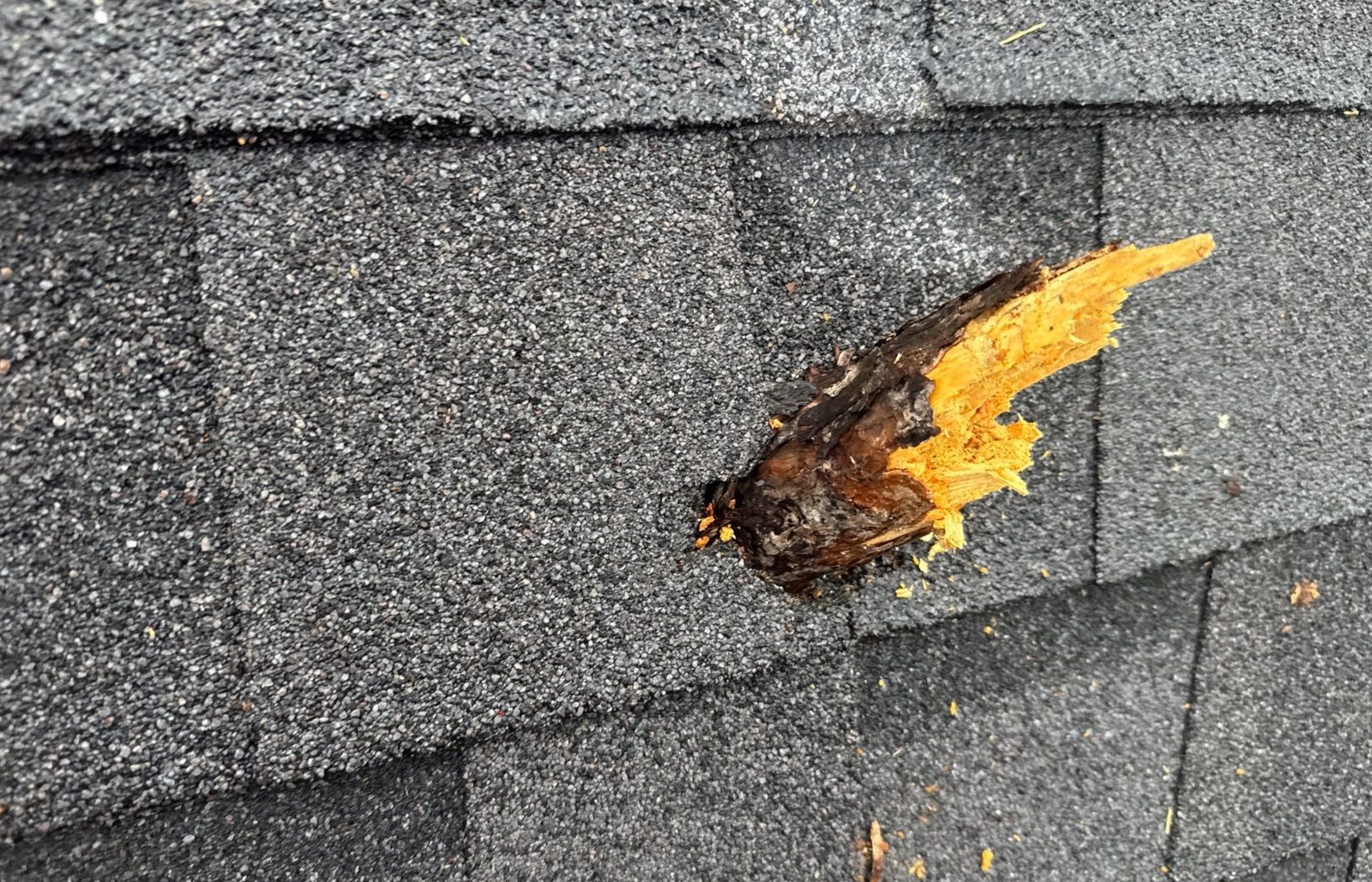
- Fallen tree limbs on the roof
- Granule loss concentrated in specific areas
- Water intrusion after a storm
- Damaged gutters, soffit, or fascia
Storm Damage Isn’t Always Visible
Not all storm damage is obvious. Some roofs can suffer hidden damage that doesn’t cause leaks immediately.
That’s why inspections after severe weather are important—even if your roof looks fine from the ground.
Why It Matters
The difference between storm damage and normal wear may impact:
- Insurance claims
- Repair recommendations
- Replacement decisions
- Long-term costs
A professional inspection can help determine what’s really happening.
Frequently asked questions
Can a roof have storm damage without visible leaks?
Yes. Wind and hail damage can weaken shingles, flashing, and roofing components long before water enters the home.
How can I tell if my roof damage is from a storm or normal aging?
Storm damage typically appears suddenly after a weather event and may include missing shingles, bruising, dents, or lifted roofing materials. Wear and tear develops gradually over time.
Will insurance cover storm damage to my roof?
Most homeowners insurance policies cover sudden storm-related damage but do not cover deterioration caused by age or lack of maintenance.
Should I get my roof inspected after a storm?
Yes. Many types of storm damage are not visible from the ground and can worsen if left unaddressed.
How long do I have to file an insurance claim for roof damage?
The timeframe varies by insurance company and state, but it is best to document and report potential storm damage as soon as possible.
Can hail damage shorten the life of my roof?
Yes. Even minor hail impacts can weaken shingles and reduce the roof's expected lifespan.